


The global wholesale electronics trade has become the backbone of modern commerce, powering everything from consumer gadgets to industrial components. With trillions of dollars flowing through B2B e-commerce, choosing the right marketplace is no longer just about finding the cheapest supplier — it’s about balancing trust, cost, diversity, and logistics. Below is a detailed ranking and analysis of the ten leading platforms, highlighting their strengths and weaknesses in each category.
B2B Marketplace for Wholesale Electronics
The wholesale electronics industry is booming, with global B2B e-commerce projected to exceed trillions in value. Sourcing electronic items—ranging from consumer gadgets like smartphones and headphones to components like semiconductors and industrial equipment—requires reliable platforms that connect buyers with verified suppliers. These marketplaces offer bulk purchasing, competitive pricing, supplier verification, and tools like escrow payments and logistics support.
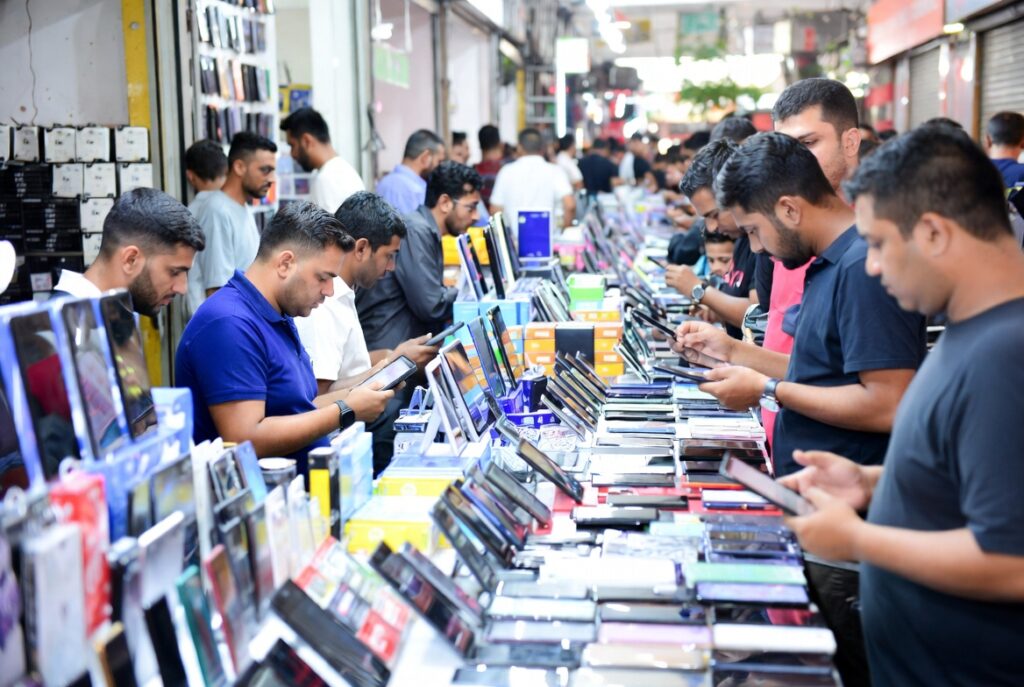
As of late 2025, here are the top 10 B2B marketplaces specializing in or excelling at wholesale electronics, based on user base, supplier quality, focus on electronics, and global reach.
1. Alibaba.com – Best Overall
Alibaba dominates the global B2B marketplace thanks to its massive scale and extensive reach. The platform hosts millions of listings, from everyday consumer gadgets and smartphone accessories to heavy-duty industrial electronics. Buyers benefit from Trade Assurance and supplier verification systems that add a layer of protection, though the sheer number of vendors means product quality can vary and requires careful vetting.
Core Highlights
- Extensive catalog with suppliers offering low minimum order quantities (MOQs).
- Secure transactions backed by Trade Assurance and buyer protection.
- Customization options and credibility markers through verified supplier badges.
Advantages
- Highly competitive pricing.
- Enormous product variety across categories.
- Streamlined logistics through integrated shipping solutions.
Drawbacks
- Quality inconsistency among suppliers.
- Buyers must perform due diligence before committing to bulk purchases.
Best Use Cases
- Ideal for sourcing bulk consumer electronics and components directly from Asia.
Evaluation
- Trust Level: Moderate to high, depending on supplier checks.
- Pricing: Extremely cost-effective, especially for large orders.
- Supplier Diversity: Unmatched, covering nearly every electronics niche.
- Logistics: Cainiao’s global shipping network ensures smoother international delivery.
2. Global Sources – Best for Verified Quality
Alibaba dominates the global B2B marketplace thanks to its massive scale and extensive reach. The platform hosts millions of listings, from everyday consumer gadgets and smartphone accessories to heavy-duty industrial electronics. Buyers benefit from Trade Assurance and supplier verification systems that add a layer of protection, though the sheer number of vendors means product quality can vary and requires careful vetting.
Core Highlights
- Extensive catalog with suppliers offering low minimum order quantities (MOQs).
- Secure transactions backed by Trade Assurance and buyer protection.
- Customization options and credibility markers through verified supplier badges.
Advantages
- Highly competitive pricing.
- Enormous product variety across categories.
- Streamlined logistics through integrated shipping solutions.
Drawbacks
- Quality inconsistency among suppliers.
- Buyers must perform due diligence before committing to bulk purchases.
Best Use Cases
- Ideal for sourcing bulk consumer electronics and components directly from Asia.
Evaluation
- Trust Level: Moderate to high, depending on supplier checks.
- Pricing: Extremely cost-effective, especially for large orders.
- Supplier Diversity: Unmatched, covering nearly every electronics niche.
- Logistics: Cainiao’s global shipping network ensures smoother international delivery.
3. DHgate – Best for Startups
DHgate has carved out a niche as a go-to marketplace for small businesses and solo entrepreneurs. Its appeal lies in low minimum order quantities and built-in dropshipping support, making it a practical choice for testing new product ideas without heavy upfront investment. The trade-off is that supplier quality can be uneven, so careful vetting is essential.
Key Highlights
- Access to 30+ million products, with a strong focus on electronics like smartphones, accessories, and gadgets.
- Buyer protection mechanisms including escrow payments and optional quality inspections.
- Dropshipping compatibility, ideal for e-commerce startups.
Advantages
- Very low prices.
- Friendly to small orders and trial runs.
Limitations
- Supplier reliability varies widely.
- Requires due diligence before committing to long-term partnerships.
Best Use Cases
- Perfect for sourcing affordable consumer electronics.
- Useful for entrepreneurs experimenting with new product lines.
Evaluation
- Trust Level: Mixed; buyer protection adds safety, but vetting suppliers is critical.
- Pricing: Extremely budget-friendly, especially for small batches.
- Supplier Diversity: Wide-ranging, though heavily skewed toward consumer gadgets.
- Logistics: Delivery times can be inconsistent and less streamlined compared to Alibaba.
4. Made-in-China.com – Best for Industrial Electronics
Made-in-China stands as a strong competitor to Alibaba, but its strength lies in industrial-grade electronics and components rather than broad consumer goods. The platform emphasizes transparency and reliability, offering audited suppliers, product certifications, and even VR-enabled factory tours to give buyers confidence in their sourcing decisions.
Key Highlights
- Verified suppliers with audits and certifications for credibility.
- RFQ (Request for Quotation) tools designed for bulk and custom orders.
- Extensive catalog of electronic parts, machinery, and finished goods.
Advantages
- Competitive pricing tailored to industrial buyers.
- Fast, responsive website experience.
Limitations
- Supplier base is heavily concentrated in China, with fewer global options.
Best Use Cases
- Ideal for sourcing industrial electronics, machinery, and specialized components.
Evaluation
- Trust Level: High, thanks to rigorous verification systems.
- Pricing: Very competitive, especially for industrial-grade products.
- Supplier Diversity: Strong in machinery and components, less so in consumer gadgets.
- Logistics: Highly efficient within China, though global integration is more limited compared to Alibaba.
5. EC21 – Best for Korean Electronics
Based in South Korea, EC21 may not match Alibaba’s scale, but it shines in specialized categories such as telecommunications and semiconductors. The platform is recognized for the quality and reliability of Korean suppliers, making it a trusted choice for businesses seeking niche electronics.
Key Highlights
- Premium membership options that boost supplier visibility.
- Strong focus on telecommunications, semiconductors, and consumer electronics.
- Trade alerts and matchmaking services to connect buyers with suitable suppliers.
Advantages
- Access to high-quality Korean and Asian suppliers.
- Reliable sourcing for specialized electronics.
Limitations
- Operates on a smaller scale compared to Alibaba.
- Supplier diversity is narrower, with less emphasis on consumer gadgets.
Best Use Cases
- Best suited for companies sourcing dependable electronics from South Korea.
Evaluation
- Trust Level: High, particularly with Korean suppliers.
- Pricing: Moderate—consistent but not the lowest.
- Supplier Diversity: Focused on niche categories; less broad than Chinese competitors.
- Logistics: Strong regional support within Asia, though global integration is more limited.
6. Tradewheel.com – Best Emerging Platform
Tradewheel has quickly emerged as a promising new marketplace, steadily expanding its electronics catalog. With customization options, low minimum order quantities (MOQs), and transparent supplier ratings, it appeals to startups and small businesses seeking flexibility. Its modern, user-friendly interface makes navigation simple, though it doesn’t yet match the scale of long-established platforms.
Key Highlights
- Customization support and small-order flexibility with low MOQs.
- Strong emphasis on electronics accessories and devices.
- Built-in buyer-seller messaging tools and deal facilitation.
Advantages
- Easy-to-use platform with intuitive design.
- Rapidly growing supplier network.
Limitations
- Still relatively new compared to major competitors.
- Supplier base remains smaller and less diverse.
Best Use Cases
- Suitable for businesses seeking global sourcing options beyond China.
- Great for affordable electronics accessories and small-batch orders.
Evaluation
- Trust Level: Improving steadily, supported by transparent supplier ratings.
- Pricing: Competitive, particularly for accessories and smaller orders.
- Supplier Diversity: Expanding, but not yet as broad as Alibaba or Global Sources.
- Logistics: Developing infrastructure; less robust than established platforms.
7. AliExpress (Wholesale Mode) – Best for Small-Scale Wholesale
While AliExpress is best known as a B2C marketplace, it also provides wholesale-style pricing for bulk purchases. This makes it a convenient option for businesses that want to experiment with small batches of products before scaling up.
Key Highlights
- Low or no minimum order requirements across many product categories.
- Fast shipping services, particularly for smaller parcels.
- Seamless integration within the Alibaba ecosystem.
Advantages
- Extremely cost-effective for small-scale orders.
- Wide range of consumer electronics and accessories.
Limitations
- Lacks the formal B2B protections found on dedicated wholesale platforms.
Best Use Cases
- Ideal for businesses testing new product lines in small quantities.
- Great for sourcing affordable consumer electronics without committing to large MOQs.
Evaluation
- Trust Level: Moderate—buyer protections exist but are less comprehensive than B2B-focused sites.
- Pricing: Exceptionally low, especially for small orders.
- Supplier Diversity: Broad catalog, heavily focused on consumer electronics.
- Logistics: Reliable and fast shipping options, particularly for lightweight parcels.
8. IndiaMART – Best for Indian Suppliers
IndiaMART stands as the leading B2B marketplace in India, connecting buyers with suppliers across categories ranging from mobile accessories to industrial-grade electronics. Its strength lies in regional sourcing, making it a powerful platform for businesses targeting the Indian market or looking to tap into emerging economies.
Key Highlights
- Extensive network of local and export-oriented suppliers.
- RFQ (Request for Quotation) system for streamlined price negotiations.
- Strong catalog of mobile accessories, appliances, and industrial electronics.
Advantages
- Highly competitive for regional and domestic sourcing.
- Verified suppliers ensure reliability within India.
Limitations
- Primarily focused on the Indian market, with limited global supplier reach.
Best Use Cases
- Ideal for sourcing electronics and components from emerging markets, especially within India.
Evaluation
- Trust Level: High, thanks to locally verified suppliers.
- Pricing: Competitive for Indian-manufactured goods.
- Supplier Diversity: Robust within India, but narrower on the global stage.
- Logistics: Efficient for domestic deliveries; international integration remains less developed compared to global giants.
9. Thomasnet – Best for North American Industrial Buyers
Thomasnet is a leading U.S.-based directory dedicated to connecting buyers with industrial-grade suppliers. It’s particularly valuable for companies that require compliance-heavy components and verified sourcing, making it a trusted resource for North American businesses.
Key Highlights
- Strong North American focus with thoroughly verified suppliers.
- Access to CAD models and detailed specifications for components.
Advantages
- Exceptional compliance standards and consistent product quality.
- Reliable sourcing for industrial and B2B electronics.
Limitations
- Costs are generally higher compared to Asian marketplaces.
- Limited coverage in consumer electronics categories.
Best Use Cases
- Ideal for businesses sourcing industrial electronics and components within North America.
Evaluation
- Trust Level: Very high, backed by verified compliance systems.
- Pricing: Higher than Asian competitors, reflecting quality and compliance standards.
- Supplier Diversity: Strong in industrial categories, weaker in consumer-focused electronics.
- Logistics: Excellent within North America, ensuring efficient regional delivery.
10. Wholesale Central – Best for US Resellers
Wholesale Central serves as a direct link between buyers and U.S.-based wholesalers, including a solid base of electronics suppliers. The platform is simple to use and completely free for buyers, making it attractive for domestic sourcing. However, its reach is largely confined to the U.S., offering less international diversity compared to global competitors.
Key Highlights
- No buyer fees with direct access to supplier contacts.
- Strong emphasis on U.S. wholesale markets, particularly electronics.
Advantages
- Straightforward platform with easy access to domestic suppliers.
- Competitive pricing for wholesale electronics within North America.
Limitations
- Limited international supplier presence.
- Verification standards are less rigorous than on larger global platforms.
Best Use Cases
- Well-suited for businesses focused on North American wholesale electronics resale.
Evaluation
- Trust Level: Moderate, with fewer verification measures compared to global marketplaces.
- Pricing: Competitive for U.S. wholesale transactions.
- Supplier Diversity: Narrower than global platforms, but strong for domestic categories.
- Logistics: Reliable for U.S. buyers; weaker global integration.
Conclusion
This ranking makes it clear that no single marketplace can serve every business need in wholesale electronics. Each platform has carved out its own niche: Alibaba dominates with sheer scale and product diversity, Global Sources stands out for its rigorous supplier verification and trustworthiness, DHgate appeals to startups and small businesses with affordability and low minimum order quantities, while Thomasnet remains the gold standard for compliance-heavy industrial sourcing in North America. The right choice ultimately depends on your priorities—whether you value cost efficiency, quality assurance, supplier diversity, or streamlined logistics.
For businesses navigating this landscape, a few sourcing principles remain timeless. Always verify suppliers by checking badges, reviews, and requesting samples to avoid counterfeit risks. Carefully compare MOQs and pricing to ensure the supplier’s terms align with your scale of operations. Make use of protection tools such as escrow services, Trade Assurance, or third-party inspections to safeguard transactions. Factor in logistics support, since platforms with integrated shipping can save significant time and reduce complexity. And most importantly, diversify your sourcing strategy—don’t rely on a single marketplace. Testing multiple platforms often reveals better deals and more reliable partners.
The wholesale electronics industry evolves rapidly, with platforms constantly updating features, expanding supplier networks, and tightening verification standards. Staying informed and adaptable is key. Before committing to large orders, always review the latest marketplace updates and supplier feedback. By combining careful research with smart sourcing practices, businesses can thrive in this dynamic sector.
Happy sourcing and may your next bulk electronics deal be both profitable and secure.


Leave a Reply