

By 2026, silver has broken free from its long-standing role as gold’s understudy and emerged as a centerpiece of global commerce and investment. What was once dismissed as a secondary metal now commands the spotlight, drawing the scrutiny of investors, corporations, and governments. This dramatic rise stems from a powerful mix of skyrocketing prices, relentless industrial demand, and tightening supply chains—all against the backdrop of economic uncertainty.
Silver Investment 2026
This article reveals why silver investment is essential in 2026 and continues to be afterward. Silver’s newfound prominence has turned it into one of the world’s most critical strategic resources. Nations are now fixated on the handful of countries that dominate mining and exports—chiefly Mexico, Peru, and China. As consumption surges and supply falters, these producers wield growing influence over trade flows, pricing, and even geopolitical dynamics. The balance of power in silver has shifted, and with it, the global economic landscape.
A Historic Silver Price Surge That Changed Perceptions
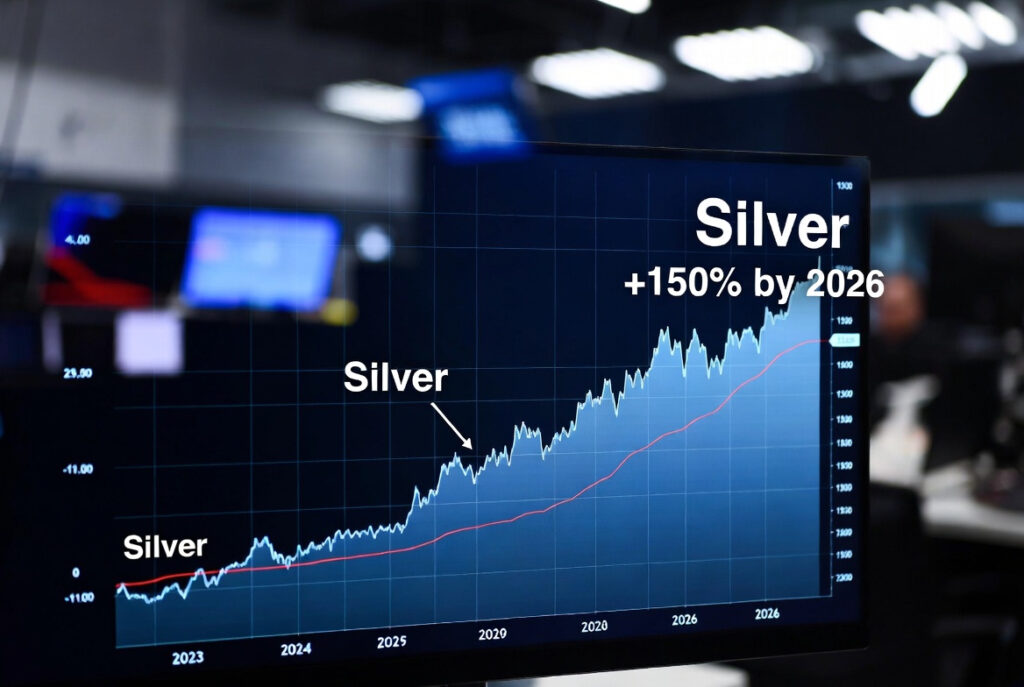
Silver’s dramatic rally in 2025 redefined its market status. Prices climbed roughly 150–170% in a single year, pushing silver to record levels near $90–$92 per ounce by early 2026. Analysts now openly discuss the possibility of prices moving beyond $100 per ounce, while in India projections extend toward ₹3.20 lakh per kilogram.
This exceptional performance has made silver one of the most talked-about commodities among business leaders, especially those seeking assets with strong momentum and upside potential.
Industrial Demand: The Engine Behind the Rally
The most powerful force behind silver’s rise is its expanding industrial role. More than half of global silver consumption now comes from industrial applications, and this share continues to grow.
Silver is indispensable in:
- Solar photovoltaic panels, where clean-energy expansion consumes increasing quantities
- Electric vehicles, electronics, semiconductors, and AI-driven data centers
- Advanced defense and communication technologies
Unlike investment silver, much of this industrial usage permanently removes metal from circulation, creating a persistent structural deficit. Annual demand is exceeding mine supply by an estimated 160–200+ million ounces, a gap that has transformed silver from a cyclical commodity into a strategic resource.
As a result, manufacturers and technology firms are actively stockpiling silver or hedging future needs to protect themselves from supply disruptions.
Supply Shortages Are Tightening the Market
On the supply side, silver production is struggling to keep pace. Most silver is mined as a byproduct of other metals, limiting the industry’s ability to respond quickly to higher prices. New mining projects remain scarce, costs are rising, and inventories are steadily declining.
These pressures intensified further in 2026 with export restrictions and licensing requirements from major producers such as China, alongside growing recognition of silver as a critical mineral in the United States. Physical shortages, especially in Asia, have driven premiums sharply higher and reinforced fears of long-term scarcity.
A Safe Haven With Extra Leverage
Silver is benefiting from the same macroeconomic forces that traditionally support gold—geopolitical tensions, inflation concerns, doubts around monetary policy independence, and expectations of interest-rate cuts. However, silver offers something gold does not: leverage.
Because silver is more volatile and far more affordable, it often delivers outsized gains during bullish cycles. This characteristic has earned it the reputation of “gold with acceleration,” appealing to businesses and investors willing to accept higher risk in exchange for stronger potential returns.
ETF inflows, futures positioning, and physical buying have all surged as institutions incorporate silver into diversification and hedging strategies.
Silver vs. Gold: A Changing Dynamic
While gold remains the ultimate safe-haven asset, silver’s dual identity gives it a unique edge in 2026. Gold is largely driven by monetary demand, whereas silver is pulled forward by both financial uncertainty and real-world industrial growth. This combination explains why silver’s recent price growth has far outpaced gold, even as volatility remains higher.
Risks Remain Despite Strong Fundamentals
Despite its powerful narrative, silver is not without risk. Analysts warn that prices may be vulnerable to sharp corrections after such an aggressive rally. Any slowdown in solar or electric vehicle adoption could soften industrial demand, and profit-taking remains a constant threat in a highly volatile market.
The World’s Leading Silver Mining Countries
Global silver mine output remains highly concentrated. A small group of countries accounts for well over 60% of total production, with most silver extracted as a byproduct of lead, zinc, copper, or gold mining. This structural reality limits how quickly supply can respond to rising demand.
Mexico stands firmly at the top of the list. Producing roughly 6,300–6,400 metric tonnes annually—around a quarter of global supply—Mexico is the backbone of the silver market. Major mines such as Fresnillo, Peñasquito, Saucito, and San Julián make the country the single most influential silver producer in the world.
China ranks second, generating about 3,300–3,500 tonnes per year. While production is substantial, most of China’s silver comes from base-metal operations rather than dedicated silver mines. China also dominates refining, giving it outsized influence over downstream supply.
Peru follows closely, with output near 3,100–3,300 tonnes annually. The country holds the largest silver reserves globally and benefits from major Andean mining operations such as Antamina. This combination of production and reserves makes Peru a long-term cornerstone of global silver supply.
Beyond the top three, Poland, Bolivia, Russia, Chile, Australia, and the United States form the next tier. While individually smaller, these producers are vital to regional supply chains—particularly Poland’s contribution to Europe through KGHM’s copper-linked silver output.
Silver Exports: Where the Metal Actually Moves
Mining leadership does not always translate directly into export dominance, especially in 2026. Export flows have been reshaped dramatically by policy changes and geopolitical considerations.
Mexico is now the most critical silver exporter globally. Its massive production base, stable export channels, and ability to supply both raw and refined silver make it the primary source for North America, Europe, and Asia.
Peru is another major exporter, leveraging high production levels and established international trade routes. With enormous reserves, Peru is viewed as a reliable long-term supplier in an increasingly tight market.
China, despite being a top producer, has fundamentally altered global trade patterns. Since 2025—and more strictly from January 1, 2026—China introduced export licensing rules for refined silver. Only a limited number of large firms are permitted to export, effectively restricting a large share of global refined supply. This has tightened availability worldwide and shifted dependence toward Latin American exporters.
Poland and Russia continue to export moderate volumes, mainly serving European and Asian markets. Poland’s role is especially important within Europe, where local supply security has become a priority.
Demand Pressure Meets Supply Reality
At the same time, silver demand has surged to historic levels. More than half of all silver consumption is now industrial and largely non-recyclable. Solar photovoltaic panels alone consume massive quantities of silver, followed closely by electric vehicles, electronics, semiconductors, AI data centers, and power infrastructure.
Total annual demand is moving toward 1.1 billion ounces, while mine supply remains stuck around 850–900 million ounces. This imbalance has created multi-year deficits that are steadily draining global inventories.
The result has been extreme price action. By mid-January 2026, silver prices surged to around $91–$92 per ounce after rising nearly 200% from early 2025 levels. Volatility has increased, but so has business urgency.
Why Mining and Export Control Matters More Than Ever
Because most silver mines cannot scale production quickly—and new mines take over a decade to develop—countries with established mining and export infrastructure now wield strategic power. Export restrictions, geopolitical risks, and regional premiums (especially in Asia) have turned silver into a supply-chain concern, not just an investment asset.
Businesses across clean energy, automotive, electronics, and technology sectors are responding by securing long-term contracts, stockpiling physical silver, or hedging through financial markets. Investors, meanwhile, see silver’s combination of industrial necessity and monetary demand as a rare alignment.
How the World Depends on Silver Powerhouses in 2026
Mexico: The Backbone of Global Silver Supply
Mexico stands at the center of the global silver network. Producing roughly a quarter of the world’s mined silver, it acts as the primary source for many import-dependent economies.
In North America, the United States and Canada rely heavily on Mexican silver to support electronics manufacturing, solar energy systems, automotive components, and defense technologies. Domestic U.S. production cannot meet demand, making imports from Mexico essential.
Across Europe, manufacturers and jewelers depend on Mexican supply because of its consistent quality and well-established trade routes. Much of the silver used in industrial components and luxury goods originates from Mexican mines before moving through European refiners.
In Asia, countries such as Japan and South Korea source Mexican silver for semiconductors, electric vehicles, and battery technologies. As regional demand rises, Mexico’s role as a reliable exporter has become even more critical.
Any disruption to Mexican output—whether from mining challenges or trade policy changes—would ripple through global markets, as alternative sources cannot expand quickly.
Peru: The Reserve Anchor of the Market
Peru plays a different but equally important role. While producing a smaller share than Mexico, Peru holds the largest silver reserves in the world, giving it long-term strategic importance.
China and India import significant volumes of Peruvian silver for solar power projects and electronics manufacturing. As these economies expand their clean-energy infrastructure, Peruvian supply helps support the growing demand.
In Europe, Peruvian silver is widely used in photovoltaic cells and medical instruments, sectors that require consistent purity and availability.
Beyond physical use, Peru’s exports help stabilize global markets. For investors, traders, and financial institutions, Peruvian silver flows are a key factor in managing supply risks and price volatility.
China: The Refining Gatekeeper
China occupies a unique position as both a major producer and the world’s dominant silver refiner. While it produces a substantial share of global output, its influence comes primarily from processing and exporting refined silver.
Since export licensing rules were tightened, access to Chinese refined silver has become restricted. Countries across the Asia-Pacific region, including Japan, South Korea, and India, previously depended on Chinese shipments for industrial electronics and renewable-energy components. These nations are now being forced to diversify supply toward Mexico and Peru.
In the United States and Europe, manufacturers that once imported refined silver from China are facing higher costs and tighter availability. This shift has increased reliance on Latin American producers and non-Chinese refining hubs.
China’s restrictions have turned refined silver into a geopolitical lever, reshaping trade flows and exposing vulnerabilities in global supply chains.
Why These Dependencies Matter More Than Ever
The dependence on Mexico, Peru, and China is not accidental—it reflects the reality of the silver market. Most silver is produced as a byproduct of other metals, new mines take over a decade to develop, and industrial demand now accounts for more than half of total consumption.
Countries investing heavily in solar energy, electric vehicles, semiconductors, and electronics cannot progress without secure silver supplies. As China limits exports and global deficits persist, nations are racing to lock in long-term contracts with Mexico and Peru.
Import-dependent regions are also increasingly sensitive to price spikes. Tight supply conditions quickly translate into higher costs, making silver comparable to strategic resources such as oil or rare earth elements.
How to Decide Whether Silver Is the Right Investment for You in 2026
Silver has emerged as one of the most talked-about assets in 2026 after an extraordinary price surge and growing industrial relevance. However, strong performance alone does not make it suitable for every investor. Deciding whether silver deserves a place in your portfolio requires a clear look at your goals, risk tolerance, and how silver fits into your overall strategy.
Start With Your Investment Objective
The first step is understanding why you want to invest.
Silver serves two distinct roles. Like gold, it acts as a hedge against inflation, currency weakness, and economic uncertainty. At the same time, unlike gold, silver is heavily tied to industrial growth. Demand from solar energy, electric vehicles, electronics, and advanced technology allows silver to benefit from economic expansion.
If your goal is wealth protection, silver can help preserve value during inflationary or unstable periods. If you seek growth exposure, silver offers upside linked to green energy and technology trends. For investors focused on diversification, silver often behaves differently from stocks and bonds, helping reduce overall portfolio risk.
Understand Current Market Conditions
Silver’s recent performance demands careful evaluation. Prices climbed dramatically in 2025—rising more than 160%—and remain highly volatile in early 2026. This rally has been supported by strong industrial demand, ongoing supply shortages, and export restrictions that have tightened availability.
Lower interest-rate expectations and inflation uncertainty also favor precious metals. However, such strong gains raise questions about short-term overvaluation. Investors must decide whether they believe demand growth and supply constraints will continue—or whether a correction is likely.
Assess Your Risk Tolerance Honestly
Silver is far more volatile than gold. While it can deliver outsized gains in strong years, it is also prone to sharp corrections. Price swings of 20–40% are not unusual, and short-term moves can be sudden.
If you are comfortable with large fluctuations and can hold through downturns, silver may suit a more aggressive or growth-oriented profile. If stability matters more to you, silver’s volatility can be stressful and may not align with your temperament.
Liquidity is generally strong, but rapid corrections can hurt investors who need quick exits.
Choose the Right Way to Invest
Silver can be accessed through several vehicles, each with its own trade-offs:
- Physical silver (bars, coins, jewelry) offers tangible ownership but involves storage, insurance, and premium costs.
- ETFs and mutual funds provide simple price exposure and are suitable for diversification without handling physical metal.
- Futures and options offer leveraged exposure and are best reserved for experienced traders due to high risk.
- Mining stocks give indirect exposure, but performance depends on company-specific factors such as costs and management, not just silver prices.
Your choice should match both your experience level and investment horizon.
Decide How Much Space Silver Deserves
For most investors, silver works best as a partial allocation, not a core holding. Many experts suggest keeping precious metals—silver included—within 5–10% of a portfolio to balance risk and reward.
A higher allocation may make sense if you strongly believe in long-term industrial demand growth or expect prolonged supply shortages. A balanced approach—combining silver with gold and other commodities—can help smooth volatility while maintaining upside potential.
A Simple Decision Framework
Silver may be a good fit if:
- You want protection against inflation and exposure to industrial growth
- You can tolerate high volatility without panic-selling
- You are investing with a long-term mindset rather than chasing short-term moves
- You are allocating a controlled portion of your portfolio
Silver may not be ideal if:
- You need steady income or low-risk stability
- You are uncomfortable with sharp price swings
- Your portfolio is already heavy in high-volatility assets
Conclusion
Ultimately, silver investment is gaining momentum, and its price is set to climb day by day as global demand strengthens and scarcity drives value. in 2026, It shows a green signal to price hike based on global demand and politics.

Leave a Reply