


Are you looking for a high-security cellphone for business use? Today’s smartphone is no longer just a communication device—it’s a powerful command center. It carries confidential emails, client data, financial details, strategic plans, and sometimes, the future of an organization itself. As mobile technology continues to evolve at lightning speed, one truth has become undeniable: security is no longer optional—it is foundational.
5 High-Security Cellphone for Business
By late 2025, businesses across industries are demanding smartphones that combine elite performance, ironclad security, long-term software support, and seamless enterprise management. From executives and IT leaders to field operatives working in high-risk environments, the right device empowers productivity while protecting what matters most.
Based on expert reviews and professional analyses, five smartphones clearly stand out—each representing a different approach to business security, efficiency, and resilience.
Apple iPhone 17 Pro Max: Confidence Built into Every Layer
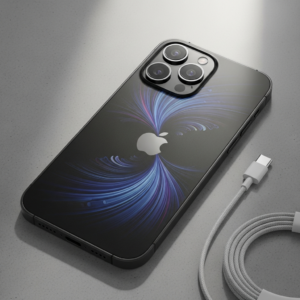
The Apple iPhone 17 Pro Max represents stability, trust, and long-term value for businesses deeply invested in reliability. Powered by the A19 Pro chip, it delivers exceptional multitasking performance while maintaining Apple’s signature efficiency.
What truly sets it apart is its security-first architecture. The Secure Enclave Processor isolates biometric data and encryption keys, ensuring protection even if the system is compromised. Combined with iOS 26, features like Emergency SOS via Satellite, Crash Detection, and IP68 durability make it a dependable companion for professionals on the move.
For enterprises, Apple Business Manager and full MDM compatibility enable zero-touch deployment, remote wipe, and policy enforcement. With seven years of OS and security updates, the iPhone 17 Pro Max reduces long-term risk and ownership costs. Add AI-powered task automation and live translation, and the device becomes not just secure—but intelligently productive.
iPhone 17 Pro Max Pricing in the USA
| Model / Storage | Retail Price | Notes |
|---|---|---|
| 256GB | $1,199.99 | Standard base model price |
| 512GB | ~$1,399 | Higher storage tier, varies by retailer |
| 1TB | ~$1,599 | Premium tier, limited availability |
| AT&T Deal | $33.34/mo (36 months) | As low as $2.78/mo with eligible trade-in |
Samsung Galaxy S25 Ultra: Power, Flexibility, and Knox-Level Protection
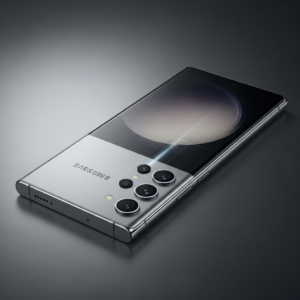
For organizations that value flexibility without compromising security, the Samsung Galaxy S25 Ultra delivers with authority. Equipped with the Snapdragon 8 Elite processor, 12GB RAM, and a large anti-reflective display, it thrives in demanding business environments.
At its core lies Samsung Knox, a multi-layered security platform featuring hardware trust zones, real-time kernel protection, and encrypted storage. Certified under Android Enterprise Recommended standards, it allows IT teams to enforce granular security policies with confidence.
Seven years of updates ensure long-term defense against evolving threats, while productivity tools like the S Pen and Samsung DeX transform the phone into a mobile workstation. It’s a device built for professionals who demand performance, adaptability, and enterprise-grade protection in one package.
Samsung Galaxy S25 Ultra Pricing in USA
| Model / Storage | Price (USD) | Retailer / Source |
|---|---|---|
| 256GB (Unlocked) | $1,099.99 (sale, reg. $1,299.99) | Best Buy |
| 512GB (Unlocked) | $1,219.99 (sale, reg. $1,419.99) | Best Buy |
| 1TB (Unlocked) | $1,459.99 (sale, reg. $1,659.99) | Best Buy |
| 256GB (Unlocked) | ~$689.99 (discounted partner store) | GSM Arena listings |
| 512GB (Unlocked) | ~$859.91 (discounted partner store) | GSM Arena listings |
| 1TB (Unlocked) | ~$1,139.00–$1,659.99 | GSM Arena listings |
| Amazon (256GB) | ~$1,099 | Amazon US |
Google Pixel 10 Pro: Intelligence Meets Practical Security
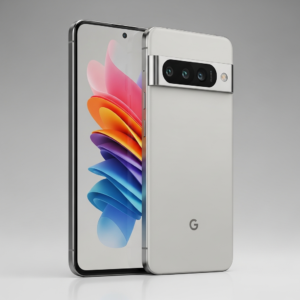
The Google Pixel 10 Pro proves that smart security doesn’t have to come at a premium. Driven by the Tensor G5 chip and enhanced by Gemini AI, it brings efficiency to everyday business workflows—from real-time translation to AI-assisted content creation.
Security is anchored by the Titan M2 chip, delivering hardware-backed encryption and secure boot. With seven years of OS, security, and feature updates, Pixel devices lead in long-term support. Android Enterprise integration and zero-touch enrollment make it ideal for managed fleets, especially within Google Workspace environments.
For businesses seeking a balance of affordability, strong security, and AI-driven productivity, the Pixel 10 Pro stands as a practical and forward-thinking choice.
Google Pixel 10 Pro Pricing in USD
| Model / Storage | Price (USD) | Source |
|---|---|---|
| Pixel 10 Pro 128GB | $749 | GSMArena |
| Pixel 10 Pro 256GB | $849 | GSMArena |
| Pixel 10 Pro 512GB | $969 | GSMArena |
| Pixel 10 Pro XL (6.8″) | From $999 | Google Store |
| Amazon (Unlocked 128GB) | ~$749 (with $100 promo) | Amazon |
Blackphone PRIVY 2.0: Privacy Above All Else
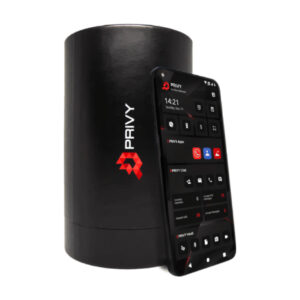
When confidentiality is mission-critical, the Blackphone PRIVY 2.0 steps into a league of its own. Designed for executives, journalists, and high-risk professionals, it prioritizes absolute privacy over mainstream convenience.
With end-to-end encrypted calls, messages, and file transfers, no data logging, and encrypted databases, it is engineered to resist surveillance. The absence of Google services further reduces tracking risks, making it ideal for sensitive communications.
While app availability is limited, its purpose is clear: maximum protection in high-stakes environments where trust is non-negotiable.
Blackphone PRIVY 2.0 Pricing (USA)
| Model / Package | Price (USD) | Notes |
|---|---|---|
| Standard model | $799 | Listed on Mobiles4Sale |
| Subscription-based packages | $650 – $2,000 | Varies by duration (1, 3, 6, 12 months) |
| Encrypted OS bundle | ~£650–£2,000 (converted to ~$820–$2,500) | Includes secure SIM and global roaming |
Bittium Tough Mobile 2C: Security Without Compromise
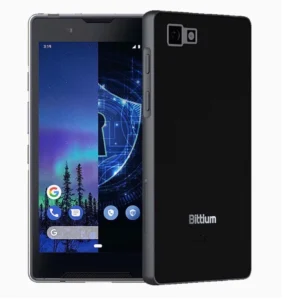
For defense, intelligence, and field operations, the Bittium Tough Mobile 2C is more than a smartphone—it’s a secure communications platform. Built with a dual-OS architecture, it separates classified and personal data at the hardware level.
Military-grade encryption, tamper-resistant design, and physical switches to disable cameras and microphones make it uniquely suited for environments where physical and cyber threats coexist. Enterprise remote management ensures control even in extreme conditions.
While overpowered for standard office use, it excels where failure is not an option.
Bittium Tough Mobile 2C Pricing in USA
| Model / Storage | Price (USD) | Source / Retailer |
|---|---|---|
| 64GB / 4GB RAM (Unlocked) | ~$1,200 | Welectronics |
| Standard Secure Suite bundle | ~$1,300–$1,450 | Bittium official site |
| Amazon listings | Varies, often unavailable or third-party sellers | Amazon |
Why Security Matters for Business Smartphones

Today’s business smartphones face unprecedented levels of risk, as they have become prime targets for cybercriminals. Attackers aim to exploit these devices to gain access to sensitive corporate intelligence, customer records, financial data, and trade secrets. The compromise of even a single phone can jeopardize an entire enterprise network, resulting in costly breaches, regulatory penalties, and severe reputational damage.
Modern Threat Landscape
Corporate smartphones must defend against a wide spectrum of dangers, including:
- Malware infections and malicious apps.
- Phishing attempts designed to steal credentials.
- Unauthorized access through weak authentication.
- Data interception during communication.
- Physical theft of devices containing confidential information.
Essential Enterprise-Grade Protections
To meet these challenges, business smartphones require more than standard consumer safeguards. Key capabilities include:
- End-to-end encrypted communications for secure data transfer.
- Secure boot processes to prevent tampering at startup.
- Hardware-level security modules for advanced protection.
- Frequent security updates to patch vulnerabilities.
- Remote management tools for IT teams to monitor, lock, or wipe devices when needed.
Choosing the Right Device: Strategy Before Specs
There is no single “best” business smartphone—only the right choice for your ecosystem, risk profile, and operational needs.
- General enterprise use: iPhone 17 Pro Max or Galaxy S25 Ultra
- AI-driven efficiency and value: Google Pixel 10 Pro
- Ultra-secure communications: Blackphone PRIVY 2.0
- Rugged, classified environments: Bittium Tough Mobile 2C
The most successful organizations don’t just buy devices—they build secure mobile strategies, combining the right hardware with MDM solutions, user education, and long-term planning.
Essential Security Features for Business Smartphones
Hardware-Level Protection
Modern enterprise smartphones should integrate dedicated security chips that manage encryption, secure boot validation, and biometric authentication separately from the main processor. This hardware isolation ensures that even if the operating system is compromised, critical security functions remain protected from malware or unauthorized access. Secure boot technology further strengthens defenses by verifying the integrity of the operating system at startup, allowing only trusted and unaltered software to run. This prevents rootkits and other persistent threats from embedding themselves deep within the device.
Biometric Authentication
Advanced fingerprint recognition and facial scanning provide both convenience and robust security. Current implementations use sophisticated sensors and algorithms designed to resist spoofing attempts while delivering fast, reliable authentication. Many business devices now support multiple biometric options, enabling users to select or combine methods for enhanced protection.
Data Encryption
Full-disk encryption ensures that all information stored on the device remains unreadable without proper authentication. While most modern smartphones enable encryption by default, business users should confirm settings and extend protection to backups. For communications, end-to-end encryption safeguards calls, messages, and data transfers, keeping them confidential even if intercepted.
Regular Security Updates
One of the most vital safeguards is a manufacturer’s commitment to timely security patches. Devices should receive monthly updates to address newly discovered vulnerabilities. Enterprises should prioritize vendors with a proven history of consistent, long-term update support to minimize exposure to evolving threats.
Remote Management & Wiping
Business smartphones must support enterprise-grade remote management tools, allowing IT teams to enforce policies, configure devices, and deploy updates across entire fleets. In cases of loss or theft, remote wipe functionality is critical, enabling administrators to erase sensitive data instantly and prevent unauthorized access.
Emerging Technologies and Future Considerations

5G Security Implications
Fifth-generation wireless networks offer tremendous speed and capacity advantages but also introduce new security considerations. Organizations must understand 5G security architecture, potential vulnerabilities in network slicing and edge computing, and the importance of working with trusted network providers and equipment manufacturers.
Artificial Intelligence in Mobile Security
AI and machine learning increasingly power mobile security solutions, detecting anomalous behavior patterns that might indicate compromise, identifying sophisticated phishing attempts through natural language analysis, and adapting security measures dynamically based on threat intelligence. These technologies improve security effectiveness while reducing false positives and user friction.
Post-Quantum Cryptography
As quantum computing advances, current encryption methods face potential obsolescence. Forward-thinking organizations should monitor developments in post-quantum cryptography and plan for eventual migration to quantum-resistant encryption algorithms. Some device manufacturers already experiment with quantum-resistant security implementations.
Zero Trust Architecture
Modern security thinking embraces zero trust principles that assume no device or user is inherently trustworthy. Smartphones in zero trust architectures undergo continuous verification, receive minimal access necessary for specific tasks, and generate detailed audit logs of all activities. This approach provides robust security even in environments with sophisticated threats.
Conclusion
In a world where a single compromised device can expose an entire organization, investing in secure smartphones is not a cost—it is a commitment to resilience, trust, and future readiness.
The right smartphone empowers professionals to work boldly, move faster, and innovate freely—knowing their data, their clients, and their reputation are protected.
In 2025 and beyond, secure mobility isn’t just smart business—it’s essential leadership.


Leave a Reply